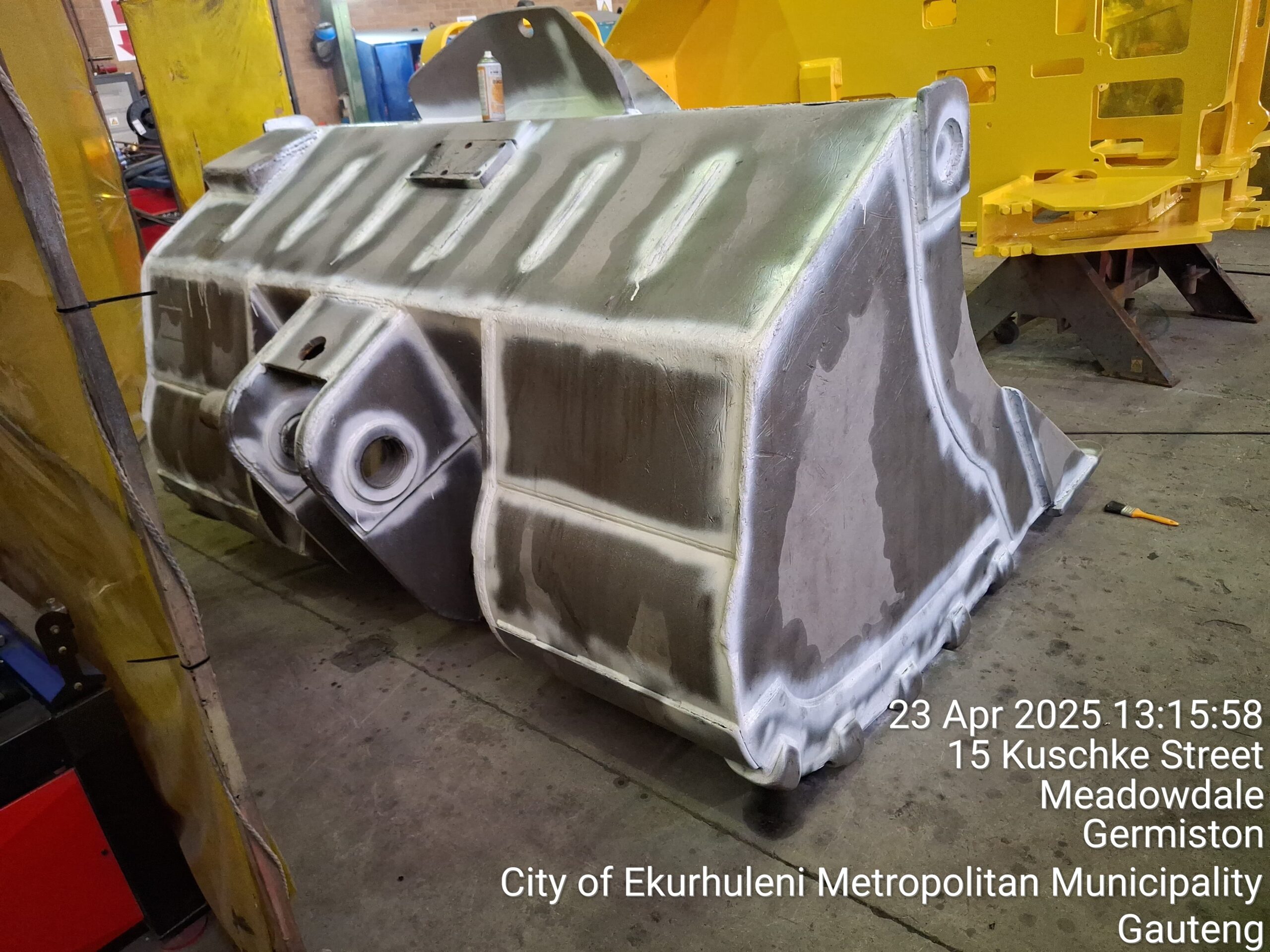
Magnetic Particle Testing
Magnetic Particle Testing (MT), also known as Magnetic Particle Inspection (MPI), is a non-destructive testing (NDT) method used to detect surface and near-surface discontinuities in ferromagnetic materials such as iron, steel, nickel, cobalt, and their alloys. This technique is cost-effective, portable, and reliable for identifying defects like cracks, seams, laps, porosity, and inclusions that could compromise structural integrity in industrial applications, including container systems, pipelines, welds, and machinery components. By revealing these flaws early, MT helps prevent leaks, failures, and environmental hazards, ensuring operational safety and efficiency.
The Principle
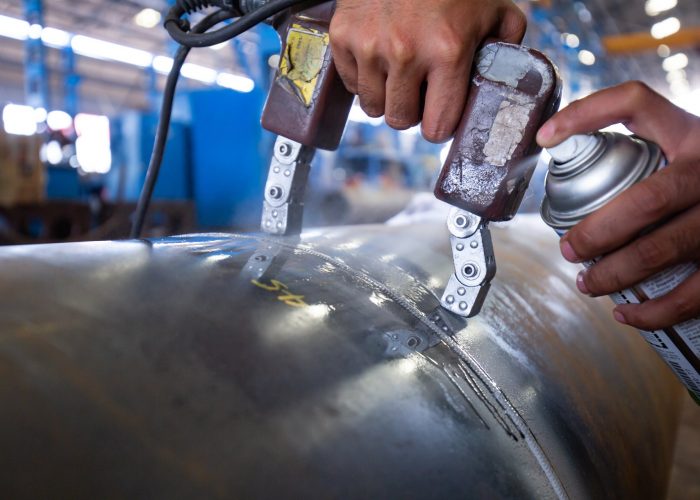
The method operates on the principle of magnetic flux leakage, combining magnetic field application with visual inspection. A magnetic field is induced in the test material, and any discontinuity disrupts this field, creating a “leakage” that attracts fine ferromagnetic particles (either dry powder or suspended in a wet carrier) to form visible indications. Particles can be colored for visible light inspection or fluorescent for enhanced visibility under UV light, making it suitable for various industrial environments.
Preparation
Clean the surface of contaminants (e.g., via solvent wiping or blasting), then magnetize the part using direct current or indirect tools like yokes to create fields for defect detection in various orientations.
Detection
Apply ferromagnetic particles (dry for rough/hot surfaces or wet for fine defects) during or after magnetization, then inspect under suitable lighting for particle accumulations indicating flaws, per standards like ASTM E1444.
Completion
Remove residual magnetism to avoid interference with future operations, followed by cleaning off particles to prevent corrosion or contamination.