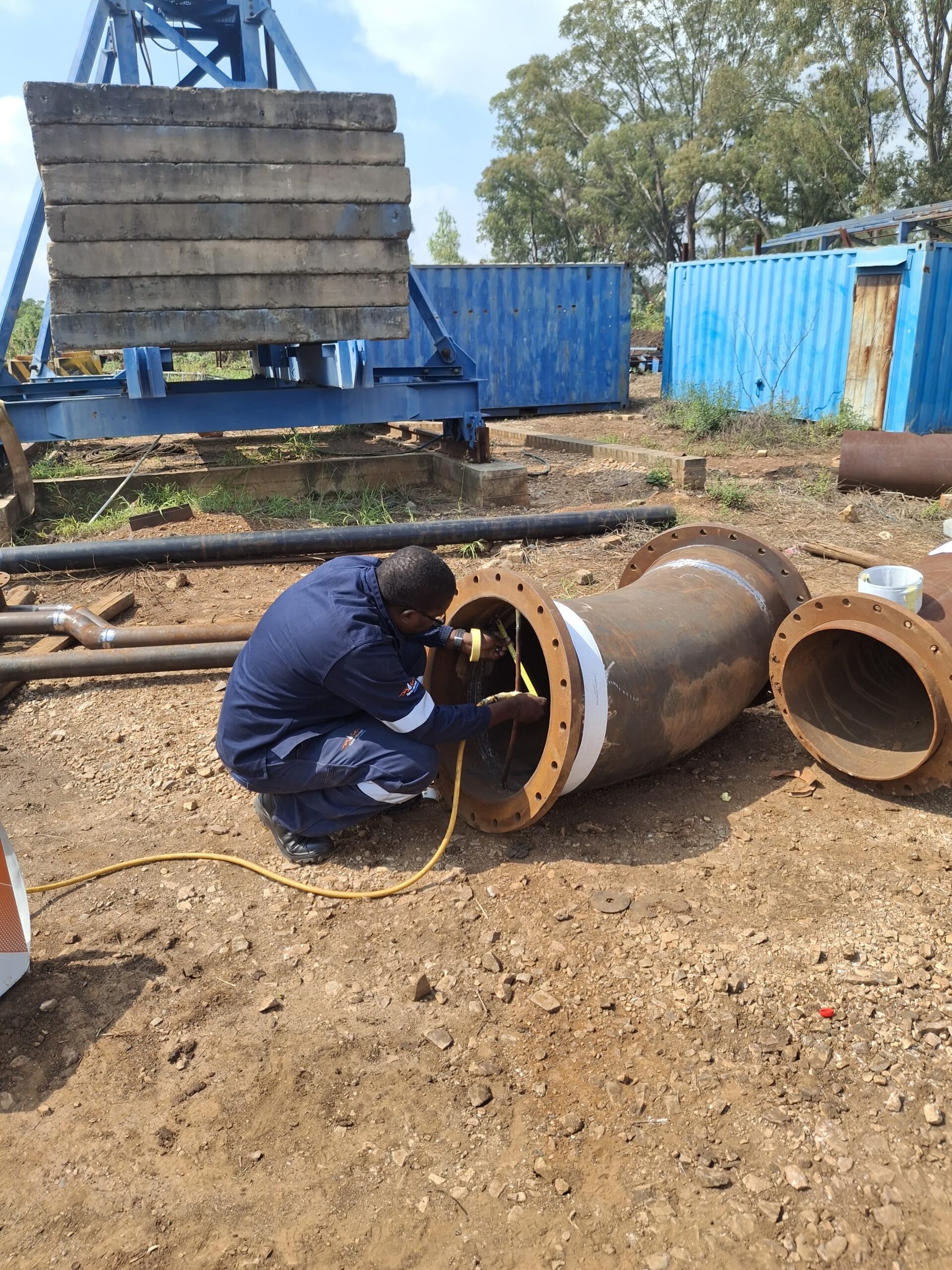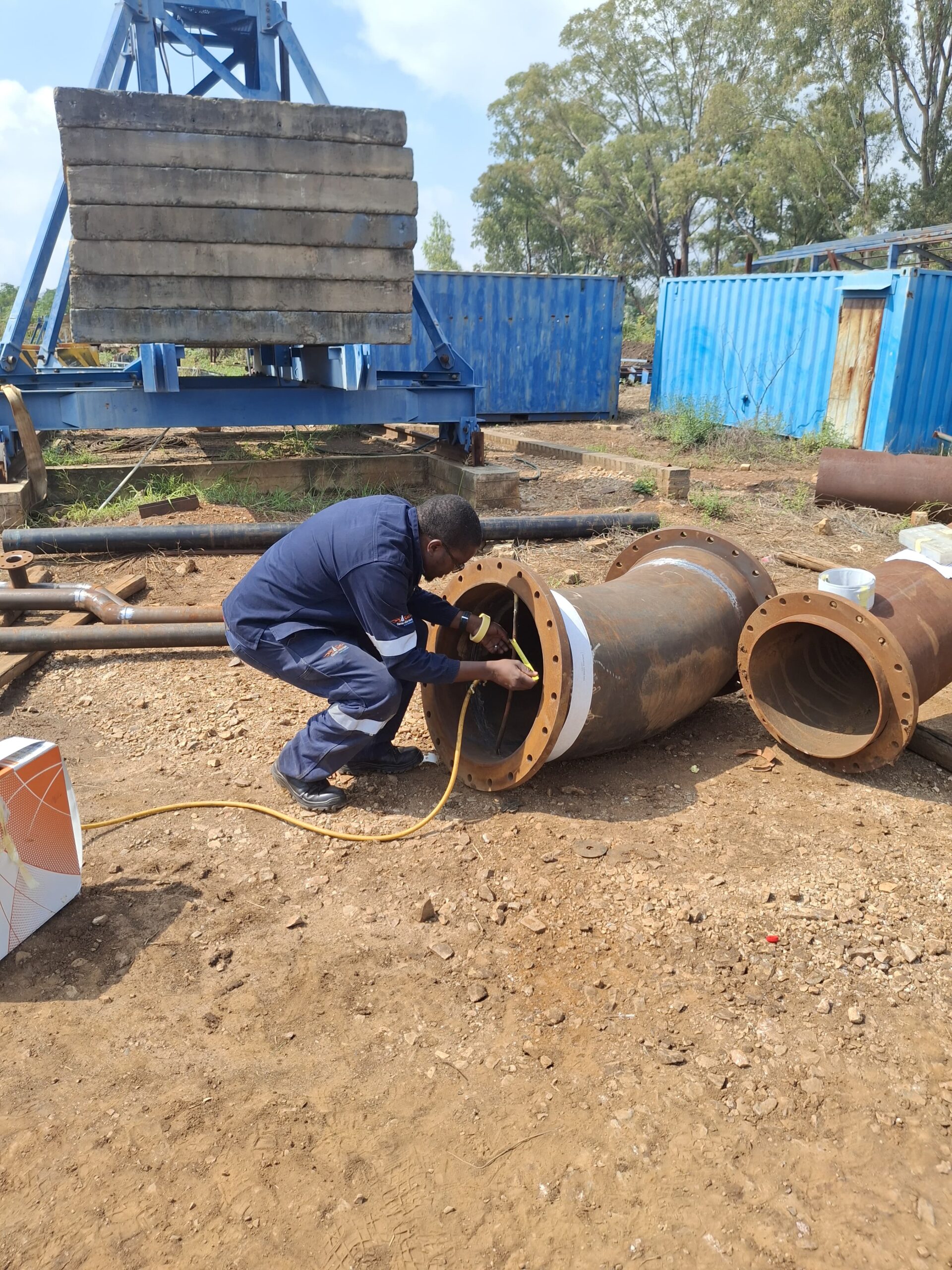
Radiographic Testing
Radiographic Testing (RT), also known as Industrial Radiography, is a non-destructive testing (NDT) method that uses penetrating radiation—such as X-rays or gamma rays—to examine the internal structure of materials and components without causing damage. This technique creates images (radiographs) by passing radiation through the test object onto a film, digital detector, or imaging plate, where variations in material density, thickness, or defects cause differences in absorption, revealing flaws like cracks, voids, inclusions, porosity, or lack of fusion. RT is essential for ensuring the integrity of critical assets in industries where internal defects could lead to failures, leaks, or safety hazards, making it a cornerstone service for NDT companies focused on quality assurance and compliance.
Applications
Radiographic Testing is versatile and widely applied across various sectors to detect internal discontinuities in welds, castings, pipelines, and structural components. Key applications include:
- Oil and Gas: Inspecting pipelines, pressure vessels, and welds for corrosion, cracks, or inclusions to prevent leaks and ensure operational safety.
- Aerospace and Automotive: Evaluating critical components like turbine blades, engine parts, and airframes for internal flaws that could compromise performance.
- Manufacturing and Construction: Assessing castings, forgings, and structural elements in buildings, bridges, or machinery for defects during production or maintenance.
- Power Generation: Examining boilers, turbines, and nuclear components for integrity to avoid catastrophic failures.
Benefits
- Internal Defect Detection: Excels at identifying volumetric flaws deep within materials that surface methods like penetrant or magnetic testing cannot reach
- Permanent Records: Produces radiographs that serve as verifiable documentation for compliance, audits, and trend analysis.
- Versatility and Accuracy: Applicable to a wide range of materials (metals, composites, plastics) with minimal surface preparation, offering high sensitivity for small defects
- Cost-Effectiveness: Prevents costly failures by enabling early detection, reducing downtime and repair expenses.